Descanso Gardens

  • Increase font size
  • Default font size
  • Decrease font size

What's In Bloom

E-mail Print PDF

Summer blooms the color of the sun

resized_pattyLike a constellation of yellow stars, Nature's Table is lit up by bright yellow squash blossoms. The lily-like flowers are easy to spot peaking from beneath foliage. The amaranth is cascades in fuchsia.

More yellow greets visitors in the parking lot where the cassia trees are covered in big pompoms of bright yellow blossoms.

In the Natives Garden, the palo verde tree bears sunny flowers. Buckwheat is blooming in billows of cream. The herbaceous datura is sending out trumpet-shaped flowers.

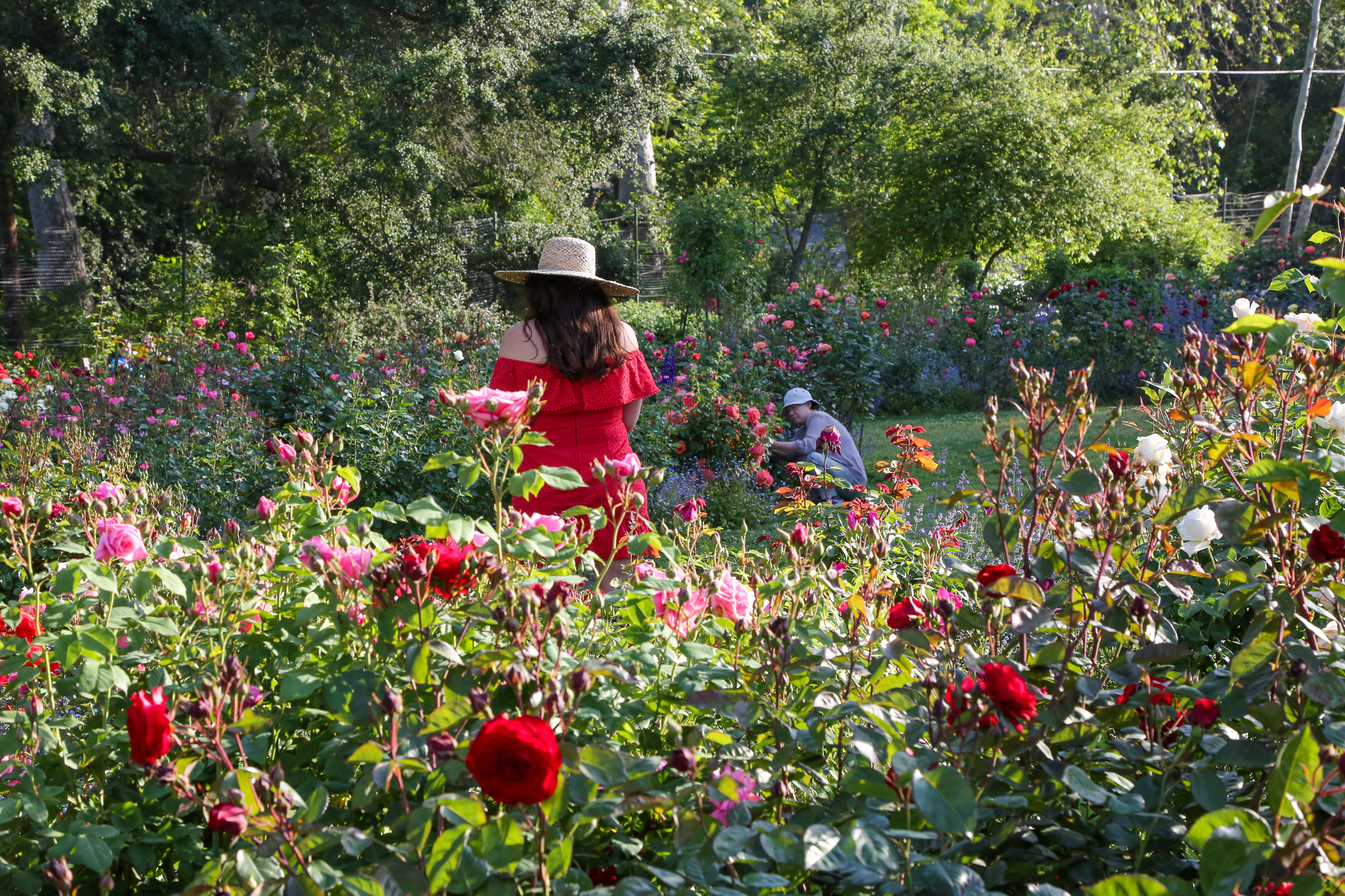
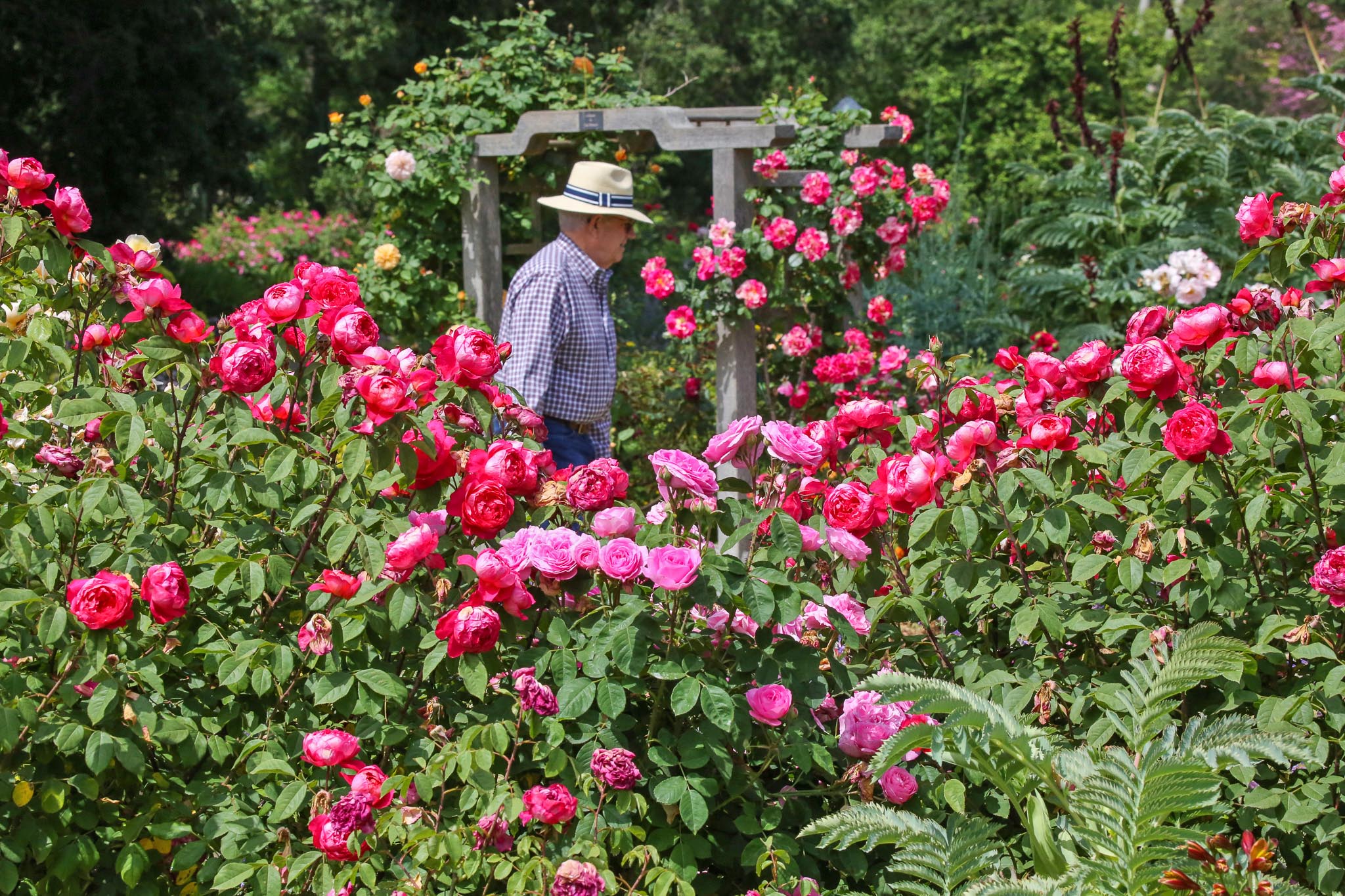
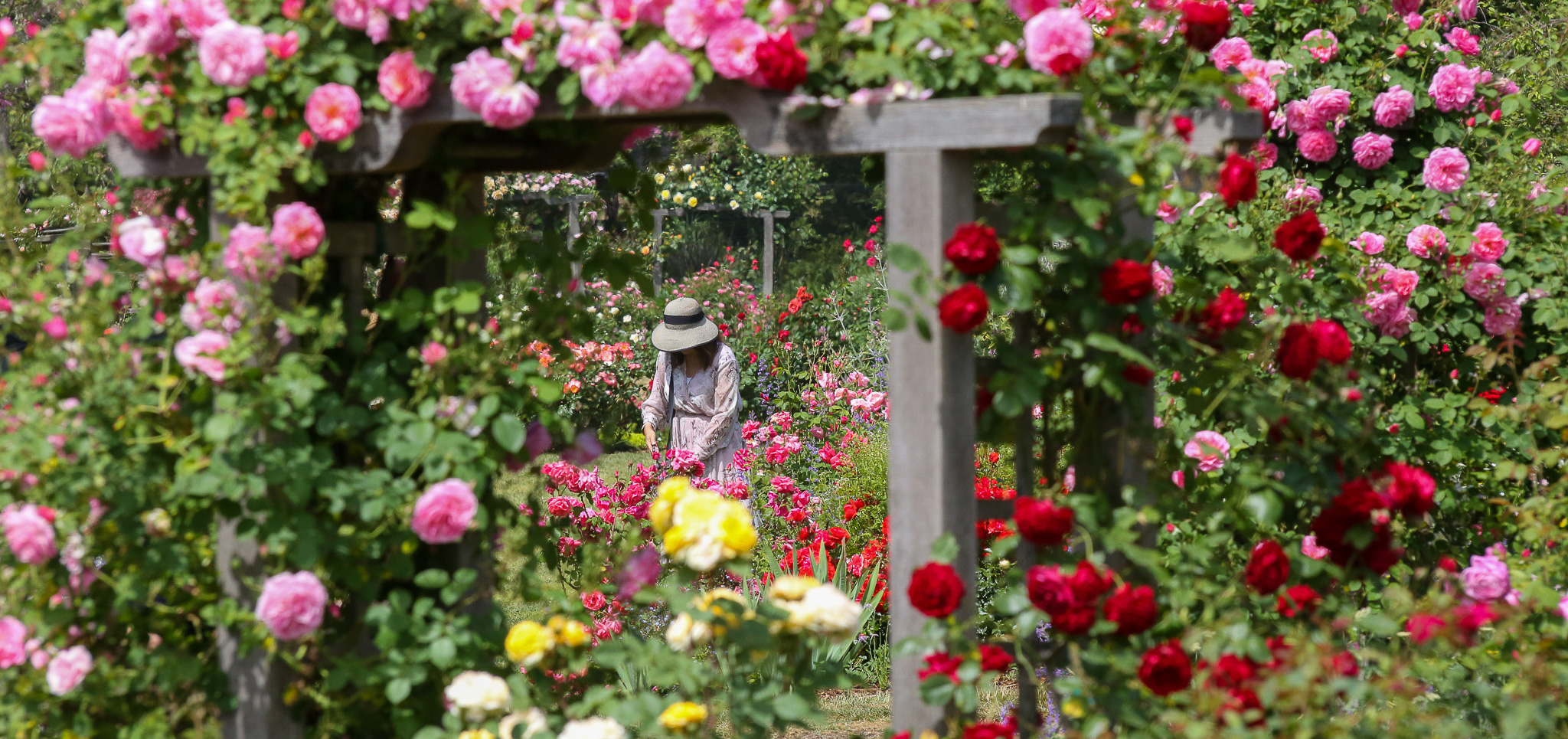
In the Mission Garden, angel's trumpet (brugmansia), heralds summer. Repeat blooming roses fill the Rose Garden with heavenly fragrance.  The chaste tree (vitex) is in bloom, along with companion plantings like rudbeckia.

Read more...
E-mail Print PDF

Frequently asked questions

About the Descanso camellias

Descanso’s famed camellia collection draws thousands of visitors a year. Recent news reports in the New York Times (7-27-10) and the Los Angeles Times (7-17-10) discussed the Gardens’ long-range concept plan, which includes relocating a portion of this collection.

We want to stress: Descanso is not “getting rid” of its camellias. We are home to North America’s largest camellia collection with more than 34,000 plants and more than 700 camellia taxa, which includes species, varieties, cultivars and hybrids. Camellias were first grown here as a business venture to supply the cut flower trade. Camellias have been part of Descanso Gardens landscape for more than 70 years. We value our collection and respect its long history in the Gardens.

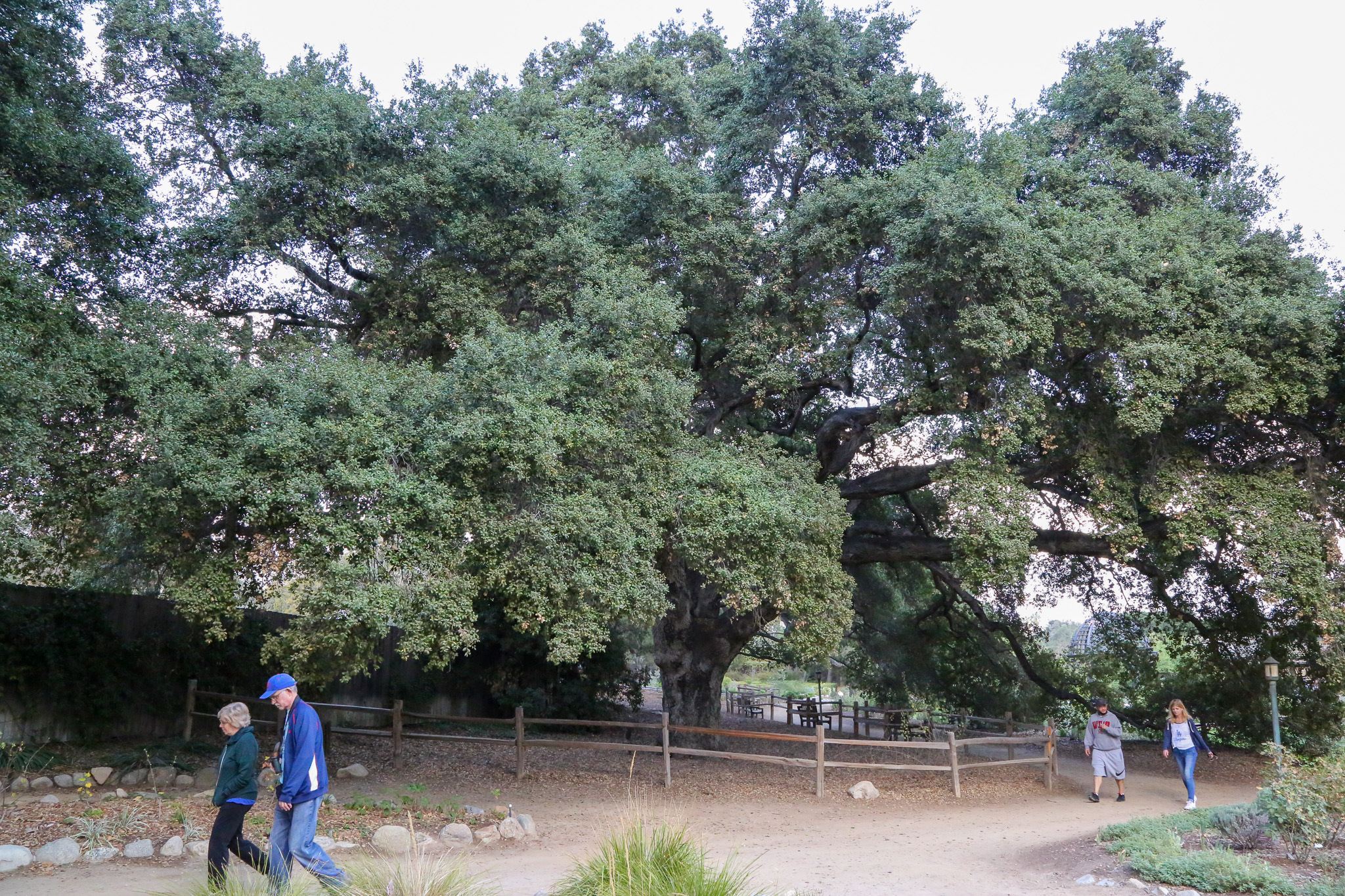
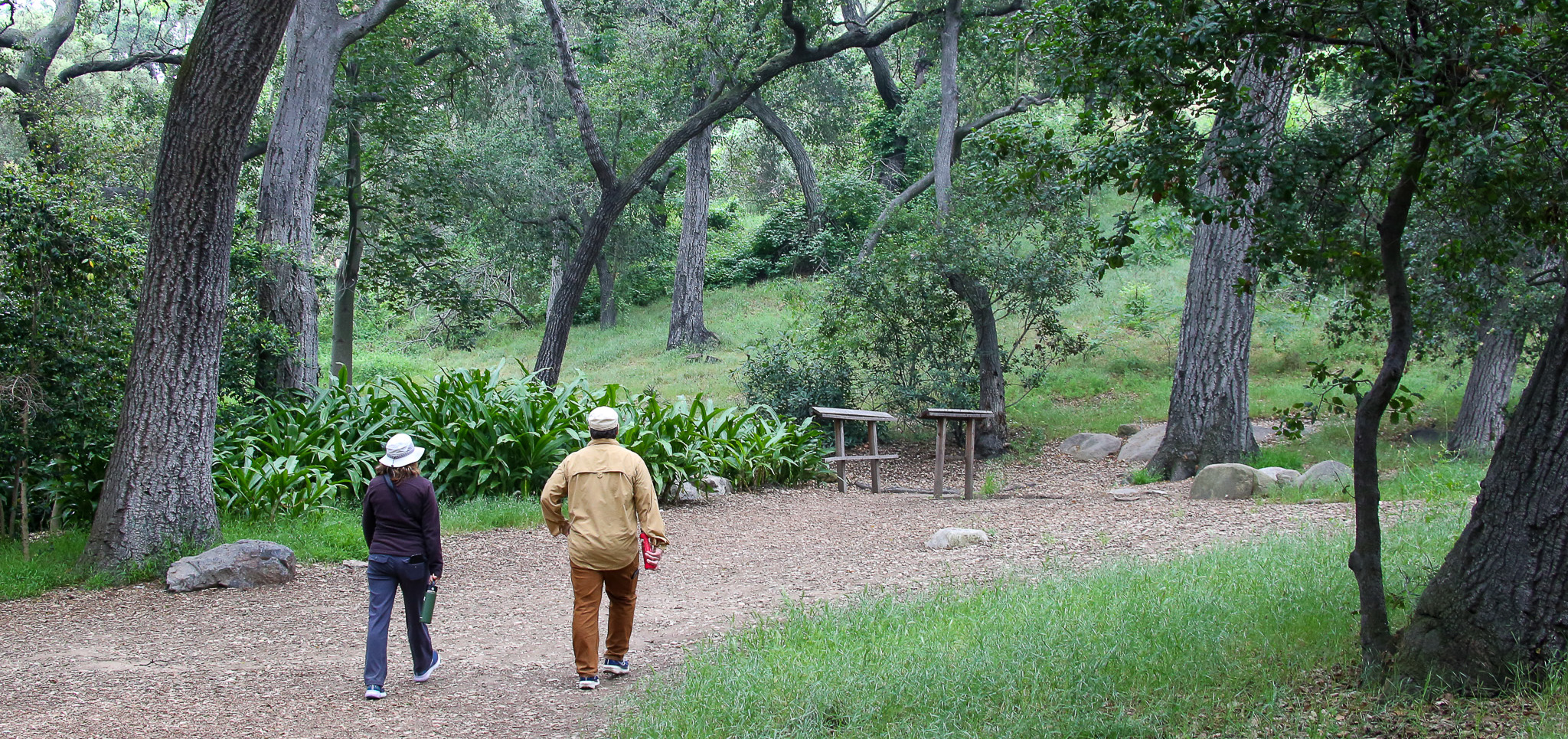
We equally treasure our forest of Coast Live Oaks. These oaks are youngsters by tree standards. The oldest oak on the property is perhaps 250 years old. With proper care, these majestic and iconic California native trees can live for upwards of 700 years. Our stand of oaks, an urban forest, is a Southern California treasure.

Our understanding of plant science has advanced since E. Manchester Boddy planted the first camellias in Descanso soil. The simple fact is this: Camellias and oaks do not make good neighbors. This is why we are considering relocating a portion our camellia collection.

Read more...

Companion Plants in the Descanso Rose Garden

E-mail Print PDF

fuchsiaWalking through Descanso’s Rose Garden, you will notice something a little different – not all the plants here are roses! In fact, interspersed between the 3,000 rose plants are a wide variety of companion plants, annuals, perennials, shrubs and herbs that not only accentuate the natural beauty of the roses, but serve a practical purpose as well.

“Our companion plants provide biodiversity to the garden and attract a wide range of pollinators, especially native bees,” says Rose Garden Horticulturist Amanda Everett. “Also, the plants that grow between the roses act as a buffers to prevent any diseases that could spread between the rose plants.” Amanda adds that the companion plants also help the Rose Garden keep its colorful complexion during the winter months after the roses have been pruned. “These plants offer color and interest when the roses are resting,” she says.

This month, take a special look at the companion plants that make the Rose Garden their home. Not all of these plants are labelled, however, so you may want to bring along a pocket guide or a botanically minded friend!

Read more...

Camellias in Southern California

E-mail Print PDF

Camellia_japonica_Carnival_Queen_1A number of Camellia species do well in Southern California.  Among them are Camellia sasanqua, a shrub often used in a sunny landscape, as a border hedge or as an espalier; C. reticulata, which thrives in partial shade and produces spectacular blooms, and C. japonica, a relatively shade-loving variety that is by far the most widely planted.

Exposure
Grow camellias under large shade trees or structures that provide partial shade, or on the north or east side of a building where the overhang will supply shade and afternoon sun is blocked out. Camellias do not tolerate ocean spray, salty soils, low humidity or high temperatures. Consequently, they do not grow well in coastal or desert areas.

Read more...

Photography

E-mail Print PDF

 Photos by Mike Brown


Read more... Read more... Read more...


Volunteer plants and Descanso’s California Native Garden

E-mail Print PDF

A volunteer plant is a plant that propagates itself naturally in a garden by seed or vegetative growth. In Descanso’s California Garden, many plant species are well adapted to our climate and some rapidly produce volunteer seedlings and saplings.
While these plants can be great additions to any garden, they can also cause problems like creating unwanted shade and using up valuable resources and space. At Descanso, plant volunteers can threaten other plants in our California Garden collection, especially those that were donated by Theodore Payne himself. 

Read more...

You Can Judge a Tree by its Bark

E-mail Print PDF

Bark forms the outermost layers of a tree’s trunk. It protects the tree from potentially harmful things, living or non-living, that exist around it. It also serves as a physical barrier that shields the tree’s vascular layer known botanically as the cambium, where the tree’s vital living tissues are found.

Read more...

Page 1 of 2

  • «
  •  Start 
  •  Prev 
  •  1 
  •  2 
  •  Next 
  •  End 
  • »
You are here: Plants